[imagebrowser=40]
In the “bayonet election,” the soldier vote—and a timely Union success—helped a pro-war civilian defeat a pro-peace general
This post contains only a snippet of this article. This article is from our new Subscriber Only Bonus Section, which premiered in MHQ’s Spring 2010 issue. To read the entire article, Subscribe to MHQ or purchase the subscriber edition in our online store.
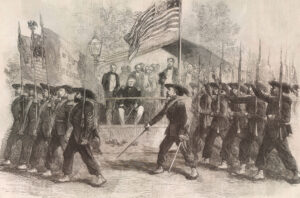
In November 1864, Union soldiers far from home cast the first wartime absentee ballots ever in a presidential election—a vote that would dramatically influence how the American Civil War would end. The civilian incumbent, Abraham Lincoln, in order to end slavery and save the Union, sought to finish the war by fighting. His opponent, Maj. Gen. George McClellan, running ostensibly on a peace ticket, was determined to negotiate a way out, and proposed letting the South establish a separate government, whose cornerstone would be slavery.
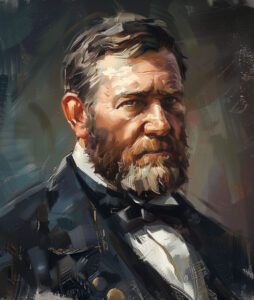
Six months earlier, the chances of the president even being renominated, much less remaining in the White House, had seemed exceedingly slim. His top general, Ulysses S. Grant, had been stalled in Virginia short of Richmond after the failure of a costly, gruesome frontal attack on Robert E. Lee’s troops at Cold Harbor, and Lee’s troops remained so close to Washington that firing could be heard from across the Potomac. In late June and early July, Lt. Gen. Jubal Early’s Rebel army marched through the Shenandoah Valley, pillaging and burning as far east as Silver Spring, Maryland, before withdrawing in smug safety. The federal government was sorely embarrassed by intelligence failures and the military’s sheer incompetence.
The tides of war and opinion began to swing in Lincoln’s favor, however, as Sherman took Atlanta in September 1864. Equally important was the support that Union soldiers began to show Lincoln. And their flood of strongly worded letters home undoubtedly influenced voters. “I shall almost despair of ever seeing our country restored to peace and happiness,” wrote home William Bently of the 104th Ohio from Georgia. “If the Peace party prevails I shall be ashamed to own myself an American citizen.”
This article is from our new Subscriber Only Bonus Section, which premiered in MHQ’s Spring 2010 issue. To read the remainder of the article, Subscribe to MHQ or purchase the subscriber edition in our online store.